
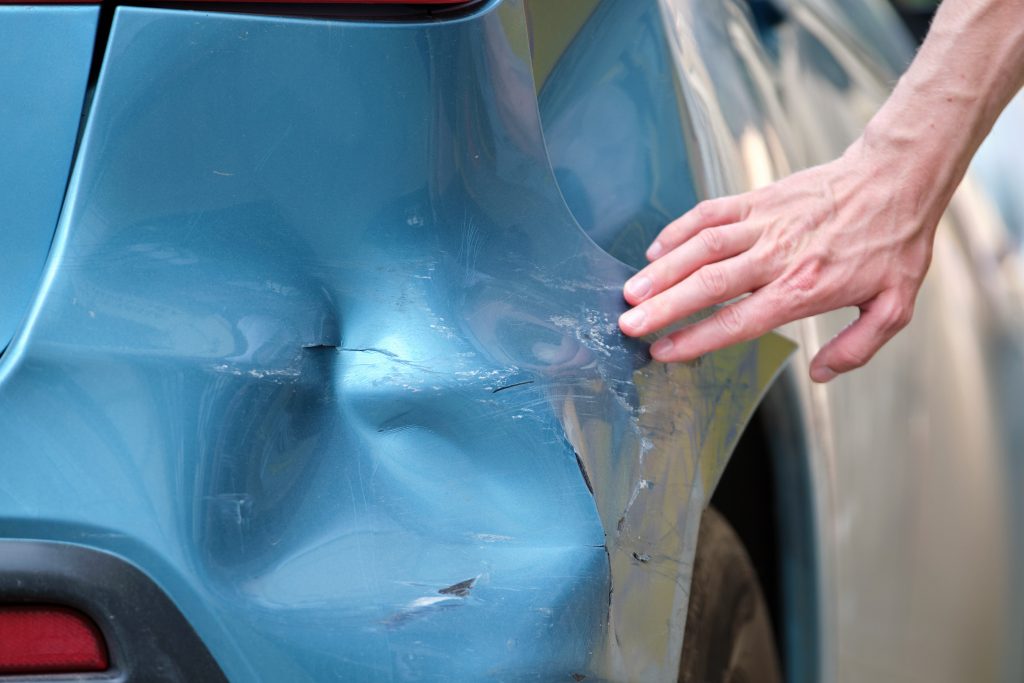
When you’re in an accident or your vehicle is damaged, the last thing you want is to get shortchanged on your insurance payout. One of the best ways to ensure a smooth claims process and maximize your compensation is by properly documenting the damage. Dive into these simple but effective steps to document car damage for a successful auto insurance claim.
Why Documentation Matters
Insurance companies rely on evidence to process your claim. The more detailed and accurate your documentation, the faster and more favorably your claim is likely to be resolved. Poor documentation—or none at all—can lead to delays, disputes, or even denials.
Whether you’re dealing with a fender bender, vandalism, or storm damage, getting clear, thorough documentation gives your insurer the information they need to approve and settle your claim quickly.
Step-by-Step: How to Document Car Damage
1. Prioritize Safety First
If you’re in an accident, make sure everyone is safe. Move to a safe location if possible and call emergency services if needed. Only begin documenting damage once the scene is secure.
2. Take Wide and Close-Up Photos
Use your smartphone or camera to take photos from multiple angles. Include:
-
Wide shots showing the entire vehicle and surrounding scene
-
Close-ups of specific damage (dents, scratches, broken parts)
-
Photos of the other vehicle(s), if applicable
-
Interior damage, if relevant
-
Any debris, skid marks, or relevant road signs
Lighting matters—try to take photos in natural light or use flash for clear visibility.
3. Record the Scene
Besides damage, take pictures or video of the entire accident scene. Include:
-
Traffic lights and signs
-
Road conditions (wet, icy, debris)
-
Position of vehicles post-accident
-
Street names or intersections
This helps establish context and can support your version of events if fault is disputed.
4. Capture the Details
Gather all the important info, including:
-
Time and date of the incident
-
Driver’s license and insurance info from the other party
-
License plates of all vehicles involved
-
Contact info for witnesses
-
Police officer’s name and badge number, if applicable
Use your phone’s notes or a voice recorder if you’re too shaken to write.
5. File a Police Report (If Required)
In many states, you’re required to file a report for accidents involving injury or significant damage. Even if it’s not required, a police report provides an official record that can support your claim.
Tips for Vandalism or Weather-Related Damage
Not all claims involve another driver. For issues like hail damage, theft, or vandalism:
-
Take detailed photos of all affected areas
-
Note the time you discovered the damage
-
Photograph surroundings (e.g., a broken fence, tree branch, graffiti)
-
If there’s surveillance footage nearby, ask if you can get a copy
-
File a police report—especially for theft or vandalism
What Not to Do
Avoid these common mistakes that can weaken your claim:
-
Waiting too long to take photos (evidence may be lost or altered)
-
Cleaning or repairing the car before documenting the damage
-
Failing to get a police report when one is needed
-
Not contacting your insurer promptly
How to Submit Documentation
When filing your claim, most insurers will provide options to upload your documentation via:
-
A mobile app
-
Their website
-
Email
-
Directly through a claims adjuster
Make sure to follow their instructions and submit everything in a timely manner. Keep backup copies of everything you send.
Be Honest and Consistent
Always be truthful about how the damage occurred. Inconsistent or exaggerated claims can lead to delays or denials. Insurance companies may verify your story against police reports, witness statements, and even surveillance footage if available.
Final Thoughts
Properly documenting vehicle damage is one of the smartest things you can do to protect your finances and get the insurance payout you deserve. With just a few extra minutes and a little attention to detail, you can turn a stressful situation into a smooth, successful claims process. Look into these steps now—before you ever need them—so you’re prepared if the unexpected happens.