
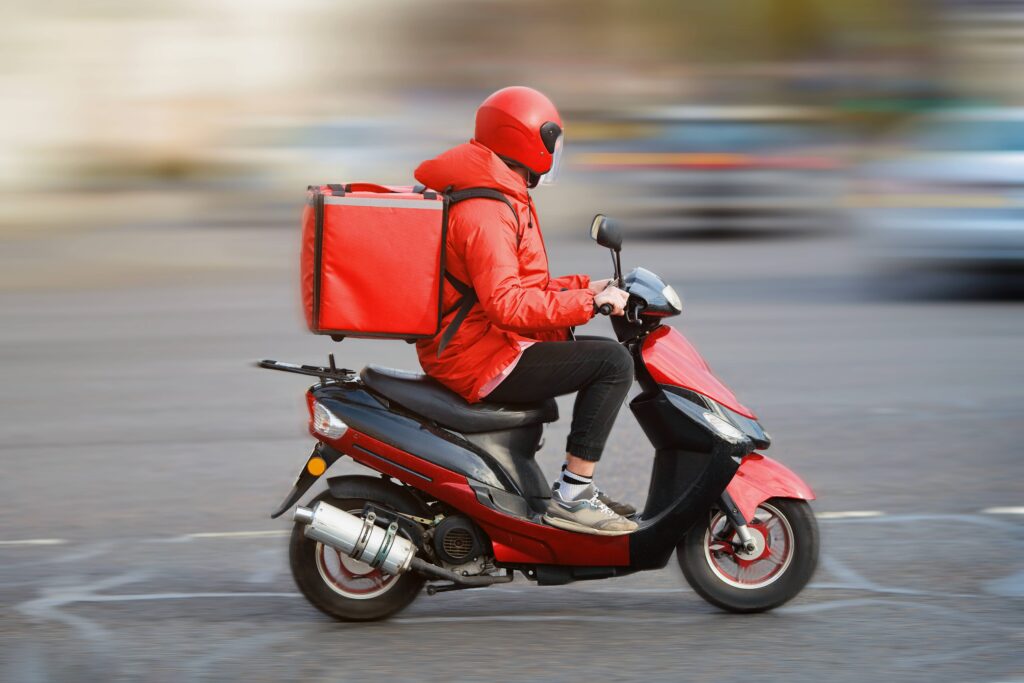
If you’re driving for Uber, Lyft, DoorDash, Instacart, or any other gig platform in 2025, your personal car insurance policy probably isn’t enough. Rideshare and delivery work exposes you to more risk, and most standard auto policies don’t cover commercial use. That means you could be on the hook for damages if something goes wrong while you’re working.
Understanding how rideshare insurance works—and where the gaps are—is crucial if you want to protect your car, your finances, and your ability to keep earning.
Why Your Personal Car Insurance Doesn’t Cut It
Most drivers assume that if they have a solid personal car insurance policy, they’re covered no matter what. But almost all personal auto policies exclude coverage when the vehicle is being used for commercial purposes. That includes transporting passengers or goods for money.
Even if you’re only driving part-time, insurers see rideshare and delivery driving as higher-risk activities. More time on the road, more miles driven, and increased chances of accidents all factor in. If you get into a crash while working and your insurer finds out, they can deny your claim—or even cancel your policy.
This is where rideshare insurance comes in.
Understanding the Three Driving Periods in Rideshare Coverage
Rideshare companies break your driving activity into three periods, and coverage varies depending on which period you’re in:
| Driving Period | What It Means | Who Typically Covers It |
|---|---|---|
| Period 1 | App is on, waiting for a ride or delivery request | Limited coverage from the platform; many gaps |
| Period 2 | Accepted a ride or delivery and en route to pickup | Platform coverage begins |
| Period 3 | Passenger or goods in the car, trip in progress | Full platform coverage active |
The biggest coverage gap is in Period 1, when you’re online but haven’t accepted a job yet. During this time, platforms like Uber and Lyft may offer limited liability coverage, but no collision or comprehensive protection. And personal policies won’t cover you either unless you have a rideshare endorsement.
What Uber and Lyft Provide — And What They Don’t
Uber and Lyft both provide insurance while you’re working, but the details matter. Their policies only apply when you’re actively using the app. During Periods 2 and 3, you’re generally covered for:
Liability (bodily injury and property damage)
Contingent comprehensive and collision (if you already have it on your personal policy)
Uninsured/underinsured motorist coverage
However, you’re still subject to high deductibles—often around $2,500. And again, during Period 1, the liability limits are lower, and there’s no physical damage coverage at all.
If you’re relying solely on platform insurance, you may be surprised at how much exposure you still have.
What Delivery Platforms Like DoorDash and Instacart Cover
Delivery services offer even less insurance than rideshare platforms. Some, like DoorDash, offer basic liability during active deliveries—but usually not during the waiting period or when you’re driving to pick up an order.
And platforms like Instacart, Grubhub, and Amazon Flex may expect drivers to carry their own commercial or rideshare coverage. If you damage your car during a delivery and don’t have a proper policy, you’ll likely have to pay for repairs out of pocket.
That’s why many delivery drivers opt for a rideshare insurance policy that covers both passengers and goods, depending on the work they do.
What Is Rideshare Insurance — and Do You Need It?
Rideshare insurance is designed to bridge the gap between your personal car insurance and the limited coverage provided by the gig platforms. It can come in several forms:
Rideshare Endorsement: An add-on to your existing policy. Usually the most affordable option and covers you during Period 1.
Hybrid or Full Rideshare Policy: A combined policy that covers both personal and commercial use seamlessly.
Commercial Auto Insurance: Typically used for full-time rideshare drivers or those driving luxury vehicles. More expensive but offers full coverage.
Most part-time drivers are well served by a rideshare endorsement. It’s relatively inexpensive and ensures you’re covered at all times—even when you’re just waiting for the next ping.
How to Choose the Right Rideshare Coverage for Your Situation
The right coverage depends on how you use your vehicle and how much risk you’re willing to take on.
If you drive occasionally for Uber, Lyft, or DoorDash, you might be okay with just a rideshare endorsement. But if you’re on the road daily or if rideshare is your main source of income, you should seriously consider a hybrid policy or full commercial auto insurance.
Here are a few key factors to consider:
How often you drive: More hours = higher risk = need for broader coverage.
Type of vehicle: Expensive or specialized vehicles may need additional protection.
Your budget: Rideshare endorsements cost less than full commercial policies but may not cover every scenario.
Deductible amount: Platform deductibles are high. Supplemental insurance can help manage this risk.
Coverage gaps: Know exactly what your personal policy excludes and how your rideshare policy fills those gaps.
Common Pitfalls That Put Drivers at Risk
Many drivers assume the platform has them fully covered, which just isn’t true. Some of the biggest mistakes include:
Not informing your insurer that you’re working for a rideshare or delivery company
Assuming platform insurance covers all driving time
Failing to check what’s covered during Period 1
Ignoring high deductibles in platform policies
Not understanding how insurance works across multiple gig apps
Failing to disclose your gig work to your insurer can be especially risky. If you file a claim and they find out you were driving for Uber or DoorDash without proper coverage, they may deny the claim outright—and drop your policy altogether.
The Real Cost of Being Underinsured
The financial consequences of skipping rideshare coverage can be massive. If you’re in an accident during a coverage gap and cause injuries or property damage, you could be personally liable. That could mean tens of thousands—or even hundreds of thousands—of dollars in damages.
Even damage to your own vehicle could set you back several thousand dollars if your personal policy and the platform both refuse to cover it. In some states, driving without proper insurance for your gig work can even lead to license suspension or fines.
Insurance might feel like just another expense, but compared to the risks, it’s a small price to pay to protect your ability to earn.
Questions to Ask When Getting Rideshare Insurance Quotes
Before you choose a policy or add-on, make sure you ask the right questions:
Does this policy cover Period 1 when I’m waiting for a request?
Will I have comprehensive and collision coverage during work hours?
What’s the deductible if I get into an accident while working?
Does it matter which platforms I drive for?
Are deliveries covered as well as passenger transport?
Can I bundle this with my personal auto policy?
Shopping around can reveal significant price differences, and not all insurers offer rideshare coverage in every state. That makes it even more important to compare quotes and understand the fine print.
Staying Compliant and Covered in 2025
With more people turning to gig work and new platforms launching every year, staying legally covered as a driver is more important than ever. Insurance requirements are also shifting. Some cities and states are cracking down on underinsured rideshare drivers, and platforms are tightening their policies in response.
Don’t get caught without the right coverage. Being proactive now will protect you from major headaches down the road—and keep your income stream safe if something goes wrong on the job.
Wrapping It Up: Be Smart, Stay Covered, Keep Driving
Driving for Uber, Lyft, or a delivery app in 2025 offers freedom and flexibility—but it also comes with risks that your regular car insurance doesn’t cover. Rideshare insurance isn’t optional if you want real protection. It’s an essential tool for safeguarding your vehicle, your finances, and your ability to keep earning.
Whether you’re clocking full-time hours or just hustling on weekends, the right insurance keeps you covered at every stage of the drive. So take the time to understand your coverage, fill the gaps, and make sure your policy works as hard as you do.