
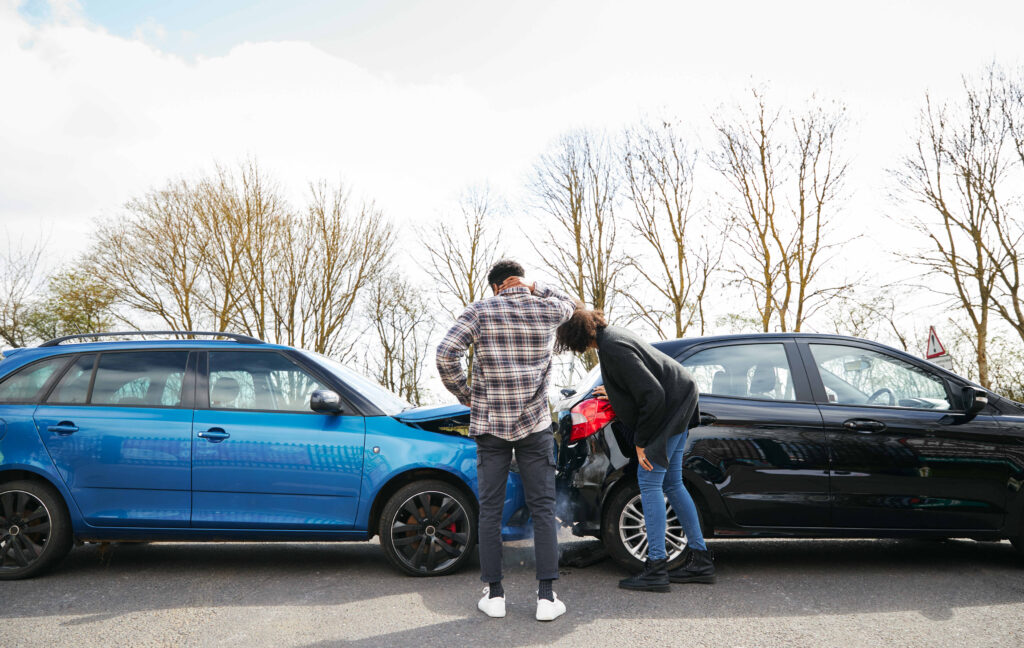
You let a friend borrow your car and then get a call you never want to receive: there’s been a crash. As a vehicle owner, it’s natural to wonder how your insurance responds, what liability you may face, and whether your premiums could go up. This guide goes beyond basic definitions to explore the real financial and legal implications when someone else is driving your car and has an accident.
When another person borrows your vehicle and crashes, the key concept that governs coverage is called permissive use. In insurance policy language, permissive use usually means someone you allow to drive your car is covered under your liability insurance. But the details matter. Understanding how permissive use works with liability coverage, collision, uninsured motorist protection, and your state’s regulations is essential to avoid surprises.
What Is Permissive Use?
Permissive use refers to situations where the registered owner of a car gives another driver permission to operate the vehicle. Most personal auto insurance policies will extend the owner’s liability coverage to drivers who have permission.
This coverage is intended to protect you as the policyholder when someone you trust borrows your vehicle. Without permissive use, someone else driving your car might face gaps in coverage that could leave both of you exposed to financial risk.
However, permissive use is not a free pass. There are important boundaries insurers place on when coverage applies and when it does not.
How Liability Coverage Responds When Someone Else Crashes
The biggest piece of the puzzle is liability insurance. Liability coverage pays for bodily injury and property damage that your vehicle causes to others in an accident.
If someone borrows your car with your consent, liability coverage under your policy typically responds first to claims against that driver. That means medical bills and repair costs for the other party in the accident are paid from your policy limits, not the driver’s personal insurance.
There are limits, though:
If the driver is specifically excluded from your policy, liability coverage may not apply.
If the person driving was engaged in intentional wrongdoing (like a joyride or fleeing the police), coverage can be denied.
Coverage might not apply if the driver used the car for commercial purposes against policy terms, such as Uber or Lyft driving without proper endorsement.
Because liability coverage is primary, the driver you permitted doesn’t have to use their own insurance first. This can simplify claims handling but also means your policy limits are on the line first.
What About Collision Coverage?
While liability covers damage to others, collision coverage pays for damage to your own car in an accident, regardless of who was at fault. So if your friend crashes into a tree, collision coverage can pay for repairing your vehicle.
Collision is optional in many states, and it comes with its own deductible. If you have collision coverage on your policy, permissive use generally extends this coverage when someone else crashes your car. But you still pay the deductible, and filing a claim could affect your premiums.
Here’s where real planning matters. If the damage is minor and you pay out of pocket, your insurance record stays clean. But if the damage is expensive and you file a claim, your insurer may view this as a liability risk when you renew.
What If the Driver Has Their Own Insurance?
Sometimes the person driving your car also has auto insurance through their own policy. In these situations, courts and insurers follow a principle called “the owner’s policy is primary, the driver’s policy is secondary.”
This means:
Your insurance pays up to your policy’s limit.
If damages exceed your limits, the driver’s insurance may help cover the excess if permitted by their coverage.
For example, if your policy’s liability limit is $50,000 per person and the injured party’s claim is $80,000, your insurer pays up to $50,000. If the permittee’s own auto policy includes additional liability coverage, it might pay the remaining $30,000.
Not all drivers carry high limits, though, and not all states allow stacking of coverage from multiple policies. Learning how your state handles secondary coverage is crucial before you let someone borrow your car long‑term.
Uninsured or Underinsured Motorist Coverage When Someone Else Crashes
Another important aspect is uninsured motorist (UM) and underinsured motorist (UIM) coverage. These protections kick in if someone else hits your vehicle and they have little or no insurance.
Permissive use typically extends UM/UIM coverage to any permitted driver. That is, if your friend is driving and another motorist runs a red light and hits you, your UM/UIM coverage applies whether you or your friend was behind the wheel.
This can provide extra monetary protection when the at‑fault driver lacks adequate insurance. If you added UM/UIM coverage to your policy, don’t assume it disappears just because someone else was driving.
When Permissive Use Does Not Apply
It’s tempting to think insurance will always save the day, but there are cases where your policy might not cover a crash:
Excluded drivers: If you specifically listed someone as an excluded driver on your policy, they won’t be covered even if you “allow” them to drive.
Unauthorized use: If someone takes your car without permission, even a family member, it is generally not covered. This might be treated like a stolen vehicle.
Business use: If your policy excludes business or commercial use, and someone uses your car for delivery or ride‑sharing, a claim can be denied.
Policy lapse or non‑payment: Like any coverage, if your policy is canceled, lapsed, or has been restricted, permissive use won’t help.
In these cases, the driver’s own insurance may be the only coverage available. If they don’t have their own policy, both of you could be financially vulnerable.
How a Crash by Someone Else Can Affect Your Insurance
A major concern many vehicle owners have is whether someone else crashing their car will make their insurance rates go up. The short answer is: often, yes.
Insurers view claims as risk indicators. When a claim is filed under your policy, your insurance company records that event. Even if someone else was driving, your risk profile changes because your auto was involved in a loss. This can affect renewal pricing.
The specifics vary by insurer and by state. Some carriers offer accident forgiveness that won’t raise rates after a single crash, but not all policies include this benefit. Moreover, forgiveness is often tied to the policyholder’s driving record, not necessarily the driving record of occasional drivers.
If rate increases are a concern, you can:
Ask your insurer about accident forgiveness features before lending your car.
Decide whether a small claim is worth filing or better handled out of pocket.
Tips to Protect Yourself Before Letting Someone Drive Your Car
Borrowing a vehicle should not be casual without thinking about consequences. Take these proactive steps:
Choose Responsible Drivers
Check that the person has:
A valid driver’s license
A clean driving record
Their own auto insurance
Even though your policy may cover them, risky drivers increase the chance of claims that affect your rates.
Talk About Insurance Before You Hand Over the Keys
Clarify expectations for paying deductibles or out‑of‑pocket repairs. If the driver has good insurance of their own, consider using their policy first when possible.
Verify Insurance Policy Terms
Your own policy will define what permissive use means in precise terms. Some policies require every regular driver of the vehicle to be listed on the policy. Others restrict coverage for long‑term borrowers.
Know Your State’s Rules
Some states have laws that affect how permissive use and secondary coverage work. For instance, states vary on whether the driver’s insurance can be used before the owner’s coverage in a permissive use situation.
When Long‑Term Use Changes Coverage
Letting someone borrow your vehicle for short errands is one thing. Letting them use it regularly for months is another. Most insurance companies expect that anyone who drives your car frequently should be listed on your policy.
If you fail to add a regular driver:
An insurer might deny coverage for a claim
The policyholder could be left to pay major repair and medical costs out of pocket
Premiums may be recalculated due to misrepresentation
Listing additional drivers usually raises premiums, but it also ensures coverage is valid when you need it.
Should You Let Someone Else Drive Your Car?
Deciding whether to let someone else use your car involves weighing convenience against financial risk. There is no one‑size‑fits‑all answer, yet smart planning makes a huge difference.
Here are key questions to ask yourself:
Is the driver responsible and insured?
Are they a frequent driver or occasional, short‑term?
Do you understand your policy’s permissive use terms?
Can you afford a deductible or potential rate increase if there’s a crash?
Owning and sharing a vehicle means sharing responsibility. The better you understand how permissive use works, the more confident you’ll be when you hand over the keys.
Understanding Your Policy Is the Best Protection
Insurance contracts are complex. It’s easy to assume permissive use automatically protects you in every scenario, yet exceptions matter. Before letting someone else drive your car, review your policy and talk to your agent about how claims would be handled.
Many people only discover gaps in coverage after a crash. Planning ahead helps you avoid financial surprises, protect your insurance record, and make informed decisions about lending your vehicle.