
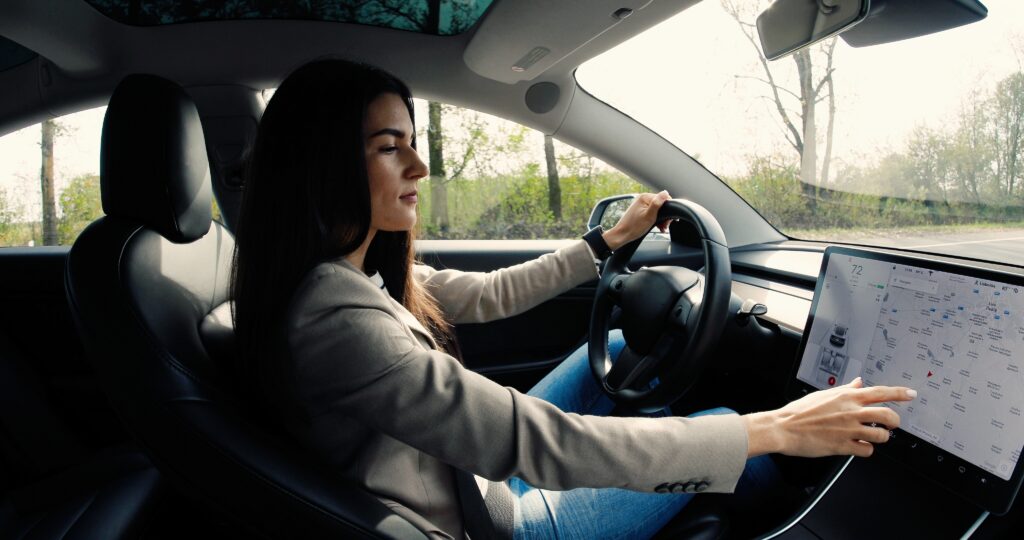
Advanced driver assistance systems and semi-autonomous features are no longer futuristic upgrades. From adaptive cruise control to hands-free highway driving, more vehicles now share control with software. As this technology evolves, car insurance companies are adjusting how they price risk, handle claims, and define driver responsibility.
If you own or are considering a vehicle with autonomous driving features, understanding how insurers treat this technology can help you avoid gaps in coverage and potentially uncover savings.
The Difference Between Driver Assistance and True Self-Driving
Most vehicles on the road today are not fully autonomous. They fall into levels of automation that still require a human driver to remain attentive and ready to take control. Features like lane-keeping assist, automatic emergency braking, and traffic-aware cruise control are considered advanced driver assistance systems, often referred to as ADAS.
From an insurance standpoint, the key question is simple: who is responsible during an accident?
In nearly all current real-world scenarios, the human driver remains legally responsible. Even if the vehicle was steering or braking automatically, insurers typically treat the driver as the primary liable party unless a clear product defect is proven.
Fully autonomous vehicles, where no driver intervention is required, are still limited in availability and geography. As a result, most insurance policies are still built around the assumption that a human is in control.
How Insurers Price Cars With Autonomous Features
One might assume that vehicles equipped with autonomous driving technology automatically cost less to insure. The reality is more nuanced.
Advanced safety features can reduce accident frequency. Automatic emergency braking and blind spot monitoring have been linked to fewer rear-end and lane-change collisions. Fewer accidents often mean lower claim frequency, which can benefit insurance pricing over time.
However, when accidents do occur, repair costs tend to be higher. Sensors, cameras, radar modules, and specialized windshields are expensive to replace and recalibrate. A minor fender bender can lead to thousands of dollars in additional repair costs because of embedded technology.
Here’s how insurers often weigh these factors:
| Factor | Impact on Insurance Premium |
|---|---|
| Automatic emergency braking | Potential discount |
| Lane departure warning | Possible small discount |
| Adaptive cruise control | Neutral to slight discount |
| High repair cost sensors | Potential increase |
| Luxury autonomous packages | Higher comprehensive and collision costs |
The net effect depends on the vehicle model, insurer, and claims data. Some cars with advanced safety systems qualify for discounts, while others carry higher premiums due to repair complexity.
Liability in Semi-Autonomous Crashes
Liability is one of the biggest gray areas in semi-autonomous driving.
If a driver is using a hands-free highway system and the vehicle fails to detect stopped traffic, who is responsible? Today, in most cases, the driver is still considered at fault if they were expected to supervise the system.
Insurance companies generally process these claims like traditional accidents. Your liability coverage pays for damage or injuries you cause. Your collision coverage pays for damage to your vehicle.
In rare situations involving clear product defects, automakers may face product liability claims. These cases often involve lengthy investigations and legal proceedings. For the average driver, the practical reality is that your personal auto policy remains the first line of defense.
Do Autonomous Features Lower Insurance Rates?
Drivers shopping for tech-heavy vehicles often ask whether autonomous features will significantly reduce premiums. The answer depends on how insurers evaluate the data.
Insurance pricing relies heavily on historical claims data. Since widespread adoption of semi-autonomous systems is relatively recent, insurers are still refining how much weight they assign to these features.
Some carriers offer specific safety feature discounts. Others price the vehicle as a whole based on loss history for that make and model. If a particular vehicle with advanced driving tech has lower overall accident rates, premiums may reflect that.
At the same time, vehicles with expensive calibration requirements after windshield replacement or bumper damage can push comprehensive and collision premiums higher.
In short, advanced technology does not guarantee lower insurance costs. It shifts the risk profile rather than eliminating it.
The Role of Telematics and Data Sharing
Autonomous and semi-autonomous vehicles generate large amounts of driving data. Speed, braking behavior, steering inputs, and system engagement are often recorded.
Many insurers now offer telematics programs that track driving behavior through mobile apps or plug-in devices. Vehicles with built-in connectivity may streamline this process.
Safer driving habits, such as smooth braking and limited nighttime driving, can lead to premium discounts. For drivers comfortable sharing data, this can offset some of the higher repair costs associated with advanced technology.
However, data sharing also raises privacy considerations. Before enrolling in any usage-based insurance program, review how data is stored, used, and shared.
Repair Costs and Their Impact on Claims
One overlooked aspect of autonomous driving features is recalibration.
After even a minor collision, sensors and cameras must be precisely aligned to ensure proper operation. This recalibration often requires dealership-level service and specialized equipment.
Consider this comparison:
| Repair Scenario | Traditional Vehicle | Vehicle With ADAS |
|---|---|---|
| Front bumper replacement | $900–$1,500 | $1,800–$3,500 with sensor recalibration |
| Windshield replacement | $300–$600 | $800–$1,500 with camera recalibration |
| Minor rear-end collision | Basic bodywork | Additional radar sensor diagnostics |
Higher repair costs can increase claim severity, which influences long-term insurance pricing for certain models.
Drivers should confirm that their collision and comprehensive deductibles make sense relative to these higher repair expenses. In some cases, adjusting deductibles can help balance premium costs.
Commercial and Rideshare Implications
Autonomous features are increasingly used in rideshare and delivery services. If you use your vehicle for gig work and rely on driver assistance systems, your personal auto policy may not fully cover business use.
Rideshare endorsements or commercial policies are often required. The presence of autonomous features does not replace the need for proper coverage classification.
As fully autonomous fleets expand in limited markets, commercial insurance structures may shift toward manufacturer or fleet-based liability models. For now, most individual drivers remain responsible under personal auto policies.
What Happens as Vehicles Become Fully Self-Driving?
The insurance industry is actively preparing for higher levels of automation. If vehicles reach a point where human intervention is unnecessary, liability may shift more toward manufacturers and software developers.
In that scenario, product liability insurance could play a larger role than personal auto insurance. However, this transition will likely be gradual and vary by state regulation.
For the foreseeable future, drivers of semi-autonomous vehicles should assume that they remain legally responsible for safe operation.
Policy language may evolve to address automation more explicitly. Staying informed at renewal time is essential as insurers update definitions and exclusions.
Smart Insurance Moves for Owners of Tech-Heavy Vehicles
If you drive a vehicle with advanced autonomous features, a few proactive steps can help you protect your finances.
Review your collision and comprehensive deductibles to ensure they align with potential recalibration costs. Confirm whether your insurer offers discounts for specific safety features. Ask about telematics programs if you are a consistently safe driver.
Most importantly, compare quotes across insurers. Some carriers are more aggressive in pricing vehicles with advanced safety technology, while others may penalize higher repair costs more heavily.
Autonomous features are reshaping how vehicles operate, but insurance still revolves around risk and responsibility. Understanding how your specific vehicle is evaluated can help you avoid overpaying or being underinsured.
Staying Ahead of the Technology Curve
Autonomous driving technology promises safer roads, but it does not eliminate financial exposure. Insurance companies are adapting, balancing fewer crashes against higher repair costs and complex liability questions.
As vehicles become smarter, insurance decisions become more strategic. Reviewing coverage limits, comparing insurers, and understanding how your vehicle’s technology affects risk can position you for better long-term protection.
Trusting the tech is one thing. Making sure your insurance keeps up with it is another.