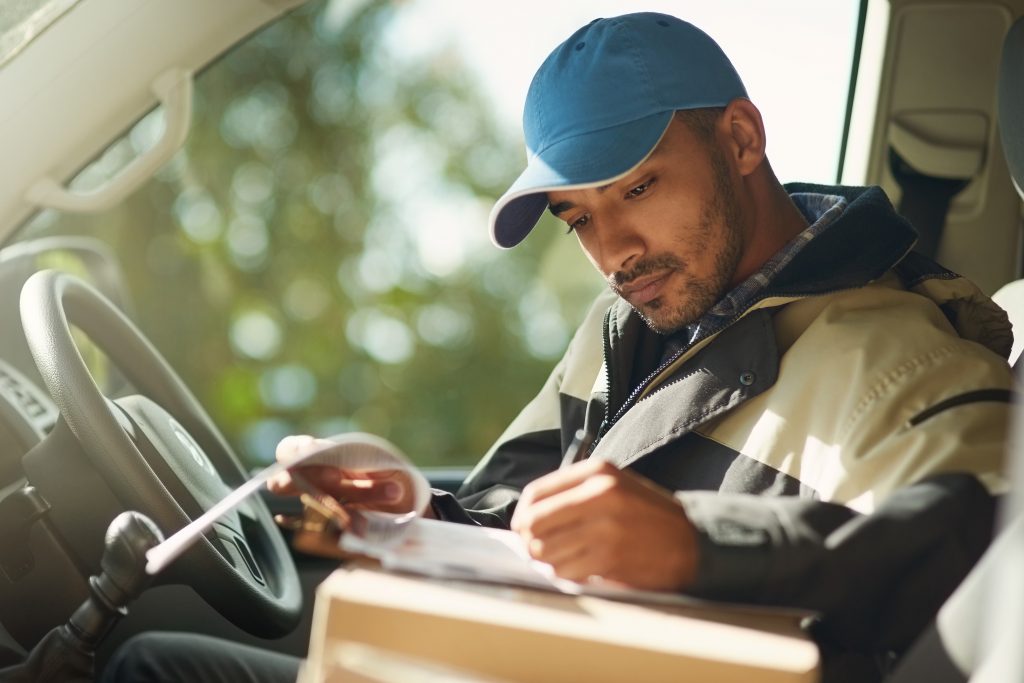
If you’re delivering food, groceries, or packages with apps like DoorDash, Uber Eats, Instacart, or Amazon Flex, you might assume your regular car insurance has you covered. But here’s the truth: most personal auto insurance policies don’t cover delivery driving. Whether you’re working full-time or just picking up gigs on weekends, it’s crucial to understand how auto insurance works for delivery drivers—and how to protect yourself.
Why Delivery Driving Isn’t Covered by Personal Insurance
Most standard auto insurance policies are designed for personal use only, such as commuting to work or running errands. Once you use your car to earn money, such as delivering food or products, that’s considered commercial use—and your personal insurance won’t apply if you’re in an accident.
If you’re in a crash while making a delivery and you haven’t disclosed your job to your insurer, they may:
-
Deny your claim entirely
-
Cancel your policy
-
Refuse to renew your coverage
That means you could be stuck paying for car repairs, medical bills, and even legal fees out of pocket.
What Kind of Insurance Do Delivery Drivers Need?
Depending on how you work and who you deliver for, here are your options:
1. Rideshare or Delivery Driver Endorsement
Some insurance companies offer an endorsement or add-on to your personal policy that covers limited commercial use, including food or package delivery.
Good for:
-
Part-time or app-based delivery drivers
-
Drivers using their own car occasionally for deliveries
-
People delivering for multiple platforms
2. Commercial Auto Insurance
If delivery is your full-time job or you drive significant mileage, you may need a commercial auto insurance policy. This provides broader protection and is required if:
-
You work for a company (not an app) as a delivery driver
-
You carry large amounts of goods
-
You use a vehicle branded for business (logos, decals, etc.)
Commercial policies typically offer higher liability limits and cover both the vehicle and its contents.
3. Platform-Specific Coverage (From Apps Like Uber Eats, DoorDash, etc.)
Some delivery apps offer limited auto insurance coverage while you’re actively on the job. However, this coverage has gaps—especially when you’re waiting for an order.
For example:
-
DoorDash offers excess liability insurance only while delivering
-
Uber Eats provides some coverage when the app is on, but with high deductibles
-
Instacart typically does not provide insurance for drivers
Always read the fine print to understand when the app’s coverage starts and stops.
Coverage Gaps to Watch For
Here’s a simplified breakdown of coverage stages for most delivery apps:
-
App off / not delivering: Your personal insurance applies
-
App on, waiting for order: Often no coverage unless you have an endorsement
-
En route to pick up or deliver: The app’s limited coverage may apply
If you’re uninsured during any of these phases, you could be financially exposed.
How Much Does Delivery Driver Insurance Cost?
Expect to pay more than standard personal insurance. However, the cost depends on:
-
Your state and driving record
-
The level of coverage you need
-
Whether you’re part-time or full-time
-
Your vehicle type and how many miles you drive
Adding a rideshare/delivery endorsement can cost an additional $10–$30 per month. A full commercial policy may cost significantly more, but offers greater protection.
Tips to Stay Covered and Save Money
-
Disclose your delivery work to your insurer—hiding it can invalidate your coverage
-
Ask about specific endorsements for delivery or gig work
-
Compare insurers—not all companies offer coverage for delivery drivers
-
Track your mileage—some insurers offer discounts for low-mileage drivers
-
Maintain a clean driving record to keep premiums down
Final Thoughts
Delivery driving can be a flexible and rewarding way to earn money—but only if you’re properly insured. Don’t assume your personal policy or the app’s coverage will protect you. Take the time to review your options, ask your insurer about delivery coverage, and choose a policy that keeps you safe and legal every time you hit the road.