
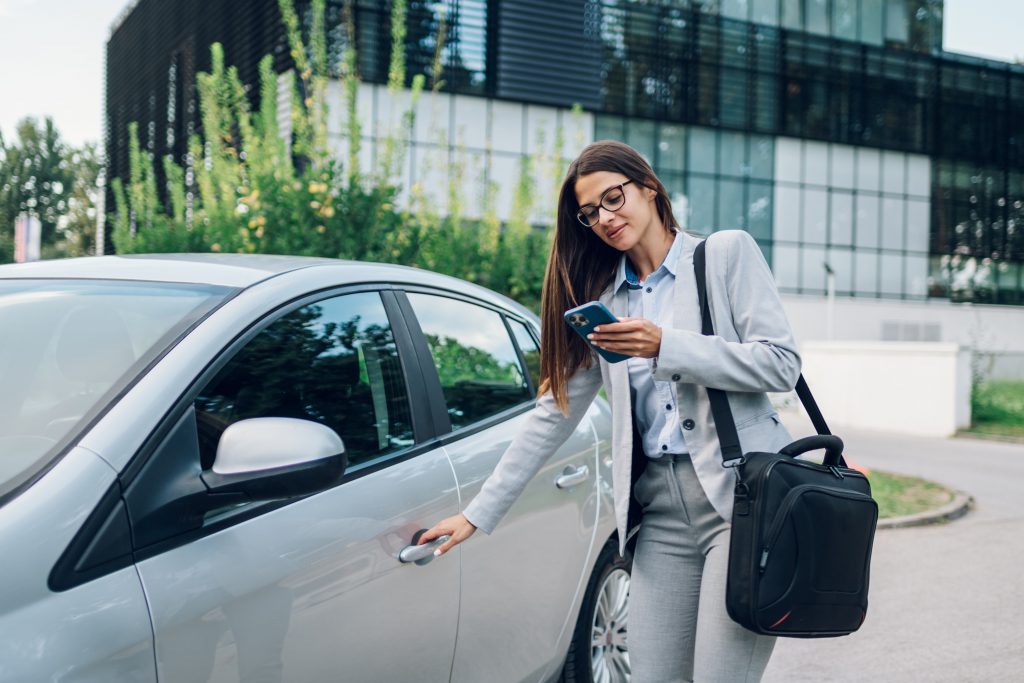
If you use your personal vehicle for work—whether you’re a real estate agent, dog walker, delivery driver, or freelancer running errands—it’s important to understand how that affects your auto insurance. Personal car insurance isn’t always enough when your vehicle is part of your business operations. Learn what kind of coverage you actually need, when business use is considered high-risk, and how to stay protected on the job.
What Counts as “Business Use” of a Vehicle?
Insurers define business use as driving your personal car for work-related tasks beyond just commuting. This includes:
-
Driving to meet clients or customers
-
Making deliveries (food, products, or materials)
-
Transporting people (like ride-share or carpool services)
-
Traveling to job sites or events
-
Using your car to run errands for a business
If you only use your car to drive to and from a single workplace, that’s usually still considered personal use. But once you start using your car as part of your actual job or business, you may need different coverage.
Why Personal Auto Insurance May Not Be Enough
Most standard personal auto insurance policies exclude coverage for business-related driving. If you’re in an accident while using your car for business purposes, your insurer could:
-
Deny your claim
-
Cancel your policy
-
Refuse to renew your coverage
That’s a major risk, especially if your work involves driving regularly or transporting goods or people.
Insurance Options for Business Vehicle Use
Depending on how you use your car for work, here are the types of coverage you may need:
1. Business-Use Endorsement (for light business driving)
If you occasionally use your car for work (like driving to different job sites or client meetings), your insurer may offer a business-use endorsement to your personal policy. This adds limited coverage for certain business activities without requiring a full commercial policy.
Best for:
-
Real estate agents
-
Consultants
-
Sales professionals
-
Freelancers
2. Commercial Auto Insurance (for frequent or high-risk business use)
If your car is a major part of your job—like making deliveries, transporting tools or clients, or driving full-time for work—you’ll likely need commercial auto insurance.
This covers:
-
Higher liability limits
-
Business-owned or employee-driven vehicles
-
Damage to tools or equipment in the vehicle (if added)
-
Multiple drivers or vehicles under a company name
Best for:
-
Delivery drivers
-
Contractors or service providers
-
Self-employed business owners
-
Anyone with signage or branding on their vehicle
3. Rideshare Insurance (for Uber, Lyft, DoorDash, etc.)
If you drive for a rideshare or delivery app, your personal policy likely won’t cover you while you’re actively working. Most rideshare platforms offer some coverage, but there are gaps—especially when you’re waiting for a ride or delivery request.
Solution: Ask your insurer about rideshare endorsements or hybrid coverage that fills the gaps between your personal policy and the platform’s coverage.
Things to Watch For
Policy Exclusions: Some personal policies specifically exclude any kind of business use, including side gigs. Make sure you read the fine print or ask your insurer directly.
Vehicle Ownership: If your business owns the car, or it’s registered under a company name, you’ll likely need a commercial policy—regardless of how often it’s used.
Liability Limits: Business-related driving often comes with more risk. Higher liability limits can help protect your assets if you’re ever sued after a work-related accident.
How to Save on Business Car Insurance
Business and commercial policies may cost more, but there are ways to keep premiums manageable:
-
Bundle with other policies (like business liability or general liability insurance)
-
Maintain a clean driving record
-
Limit who drives the vehicle
-
Choose a fuel-efficient, low-maintenance car
-
Ask about telematics or usage-based discounts
Always compare quotes from multiple providers and explain exactly how the vehicle is used for business.
Final Thoughts
If you use your personal car for work, don’t assume your regular insurance policy has you covered. Business use—even part-time or occasional—can lead to denied claims if you’re not properly insured. Whether you need a small endorsement or a full commercial auto policy, take a few minutes to talk to your insurer and make sure you’re protected before your next business drive.