
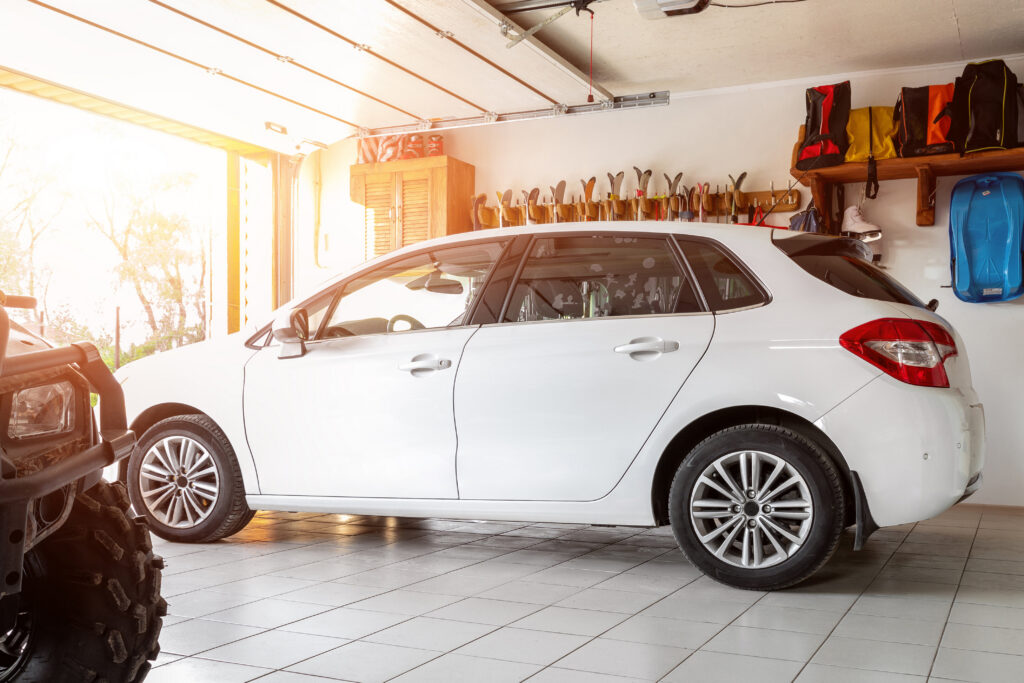
If your household has more than one vehicle, managing multiple insurance policies can get expensive—and confusing. That’s where a multi-car insurance policy comes in. It’s a convenient way to insure several vehicles under one plan, often with significant cost savings. Whether you’re a family with teen drivers or a couple with two cars, here’s how multi-car insurance works, how much you can save, and who should consider it.
What Is a Multi-Car Insurance Policy?
A multi-car insurance policy allows you to insure two or more vehicles under a single insurance plan, typically with the same coverage types and one billing cycle. It streamlines paperwork, keeps everything in one place, and usually qualifies you for a multi-car discount from your insurer.
Most insurance companies allow you to include:
-
Cars, trucks, and SUVs
-
Up to 4 or 5 vehicles (varies by provider)
-
Vehicles that are garaged at the same address (in most cases)
Who Can Be Included on a Multi-Car Policy?
Multi-car insurance policies usually cover vehicles owned by:
-
Family members living at the same address
-
Spouses or domestic partners
-
Teen or college-age children who live at home or are temporarily away at school
-
Roommates, depending on the insurer and your state
Tip: Everyone on the policy must be listed as a named driver—and their driving records can affect your overall rate.
What Kind of Discount Can You Expect?
Multi-car discounts typically range from 10% to 25%, depending on the insurer and the number of vehicles insured.
Example:
-
Car 1 insured separately: $1,200/year
-
Car 2 insured separately: $1,100/year
-
Combined under multi-car policy: ~$2,000/year (instead of $2,300)
That’s an annual savings of $300 just for bundling!
How Does Coverage Work?
Each vehicle on the policy can still have different coverage options and limits. For example:
-
Car A may have full coverage (liability, collision, comprehensive)
-
Car B may only have liability insurance
That means you’re not forced into the same coverage for all vehicles—just the same policy account.
Pros of Multi-Car Insurance Policies
-
Discounted premiums for bundling
-
Simplified billing with one due date and one policy to manage
-
Easier updates if you add or remove vehicles
-
Convenient policy management via a single insurer’s website or app
Cons or Considerations
-
Risk-sharing: One high-risk driver (like a teen or someone with accidents) can increase the rate for the whole policy
-
Limited to one address: Most insurers require all vehicles to be registered and garaged at the same location
-
All drivers are listed: Even if someone doesn’t drive all the vehicles, they must be declared as a driver
Who Should Consider Multi-Car Insurance?
Multi-car policies are a smart choice for:
-
Families with multiple cars
-
Parents with teen or college-age drivers
-
Couples who both drive
-
Households sharing vehicles
-
People who plan to add a second vehicle soon
Even if you’re planning to buy a second car in the near future, it’s worth asking your insurer now about future multi-car discount options.
Tips to Maximize Multi-Car Savings
-
Bundle with home or renters insurance for additional savings
-
Maintain clean driving records for everyone on the policy
-
Choose higher deductibles (if affordable) to reduce premiums
-
Use the same insurer for all policies to unlock full benefits
-
Enroll in safe driving or telematics programs, which often apply across all vehicles
Final Thoughts
If you’re insuring more than one car in the same household, a multi-car insurance policy can save you time, stress, and money. With generous discounts, consolidated billing, and flexible coverage options, it’s a smart solution for many families and households. Look into your insurer’s multi-car discount today to see how much you could save just by combining policies.