
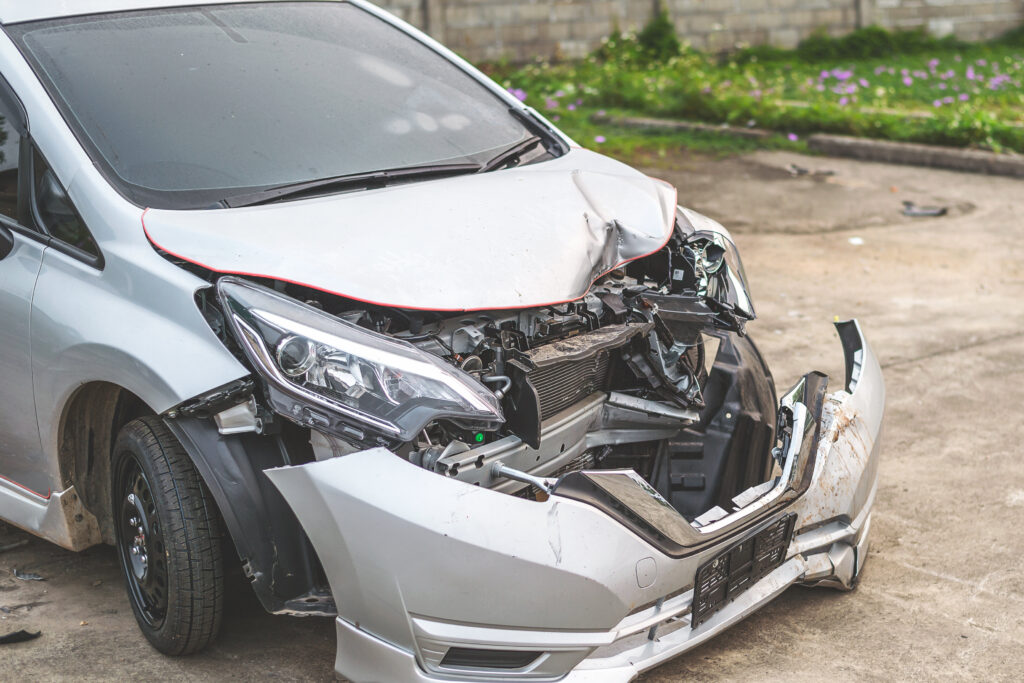
Getting into a serious accident is stressful enough—but learning your car is totaled can make things even more overwhelming. If your vehicle is declared a total loss, it means the cost to repair it is more than it’s worth. In this case, your insurer may offer a payout instead of paying for repairs. Knowing how to file an insurance claim for a totaled vehicle—and how the payout process works—can help you make smarter decisions during a difficult time.
What Does It Mean When a Car Is Totaled?
A car is considered “totaled” (or a total loss) when:
-
The cost to repair the damage exceeds a certain percentage of the car’s actual cash value (ACV)
-
The vehicle is damaged beyond repair (e.g., from a major crash, fire, or flood)
Each insurance company and state has its own threshold—usually 70% to 80% of the car’s value—for declaring a vehicle totaled.
Step 1: Report the Accident to Your Insurer
As soon as you’re safe, notify your insurance provider and start the claim process. You can typically:
-
Call a claims hotline
-
Use the insurer’s app or website
-
Submit details through your insurance agent
Provide basic info, such as:
-
Date, time, and location of the accident
-
A description of what happened
-
Contact and insurance info for other parties involved
-
Police report number (if applicable)
Step 2: Allow an Adjuster to Inspect the Vehicle
The insurance company will assign a claims adjuster to assess the damage. They’ll determine:
-
The extent of the damage
-
The repair cost
-
The current market value of your car (its ACV)
If the repair cost exceeds the car’s value (based on your insurer’s guidelines), they’ll declare it a total loss.
Step 3: Understand How Your Payout Is Calculated
If your car is totaled and you have comprehensive or collision coverage, your insurer will offer a settlement based on your vehicle’s actual cash value—not what you originally paid.
Your total loss payout is typically:
ACV – Your Deductible = Final Payout
What’s included in the ACV estimate:
-
Make, model, year
-
Mileage
-
Vehicle condition before the accident
-
Optional features (like leather seats, sunroof, etc.)
-
Comparable sales in your area
Tip: If you disagree with the insurer’s valuation, you can provide your own research—like recent listings or quotes from dealerships.
Step 4: Handle the Title and Ownership Transfer
Once you accept the payout offer:
-
You’ll usually be asked to sign over the title to the insurance company
-
They may take possession of the car (unless you choose to keep it for salvage)
-
You may need to cancel your registration and return your license plates (depending on state laws)
What If You Still Owe Money on a Loan or Lease?
If you’re financing or leasing your car, the insurance payout goes to the lender, not you. Here’s what can happen:
-
If the payout exceeds your loan balance, you’ll get the difference
-
If the payout is less than what you owe, you’ll be responsible for the remaining balance
This is where gap insurance can help—it covers the difference between what your car is worth and what you owe.
What If the Accident Wasn’t Your Fault?
If another driver caused the accident, their liability insurance may cover your vehicle damage. However, working through their insurance company can take longer, and disputes over value or fault may arise.
You can also file the claim through your own insurer (if you have collision coverage), then let them seek reimbursement from the at-fault driver’s insurer.
Can You Keep a Totaled Car?
Yes, but it depends on your state and insurer. If you choose to keep your totaled vehicle, your payout will be reduced by the salvage value—what your insurer would’ve gotten by selling the wrecked car.
If you keep the car, you’ll likely:
-
Get a salvage title
-
Need to make repairs to register it again
-
Pay out-of-pocket if it’s not roadworthy
Final Thoughts
Filing an insurance claim for a totaled car may feel overwhelming, but knowing what to expect can help you avoid delays and maximize your payout. From starting the claim to understanding your settlement, being proactive—and informed—makes a stressful situation easier to manage. Check your policy today to make sure you’re covered in the event of a total loss.