
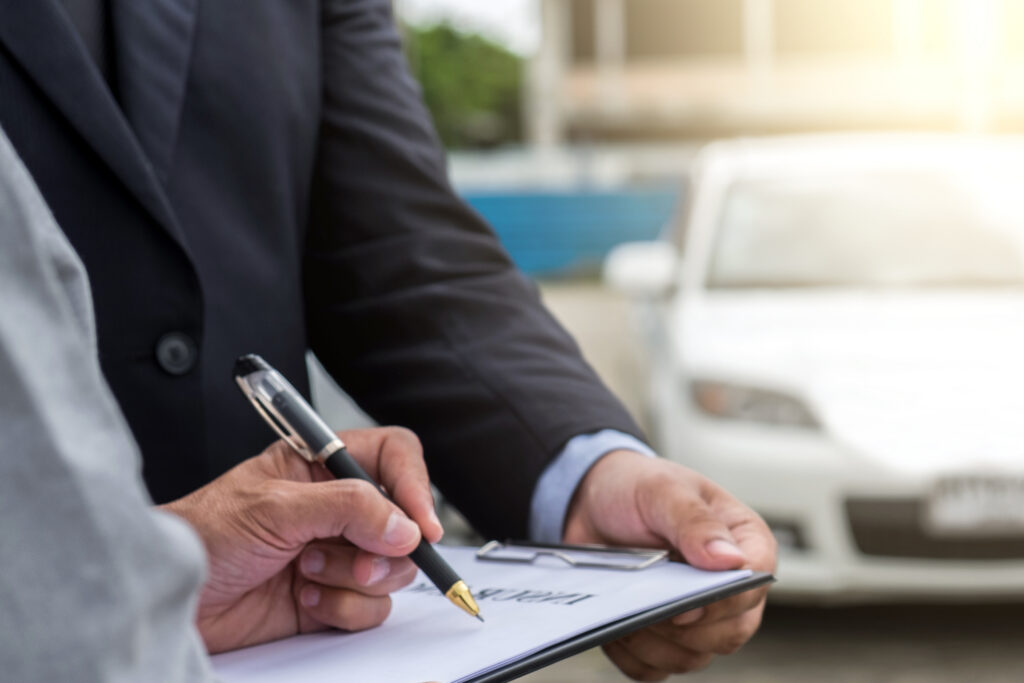
If you’re getting a new auto policy, switching providers, or adding coverage like collision or comprehensive, your insurer might require a car insurance inspection. This process helps the insurance company verify the condition of your vehicle, assess risk, and document any existing damage. While the idea might sound intimidating, it’s usually quick and painless. Here’s exactly what to expect during a car insurance inspection—and how to prepare.
Why Do Insurers Require a Vehicle Inspection?
Not all policies require an inspection, but insurers may ask for one in situations like:
-
Starting a new policy with a different provider
-
Adding comprehensive or collision coverage
-
Insuring a used vehicle or one with no prior coverage
-
Suspected previous damage
-
Reinstating a lapsed policy
-
Insuring older vehicles or exotic cars
The goal is simple: to assess the vehicle’s condition and ensure accurate documentation before coverage begins.
What Happens During a Car Insurance Inspection?
Most vehicle inspections for insurance are visual and non-invasive. The process typically includes:
-
Verification of Vehicle Information
-
VIN (Vehicle Identification Number)
-
Odometer reading
-
Year, make, and model
-
-
Exterior and Interior Inspection
-
Photos of the car from all sides
-
Close-ups of any visible dents, scratches, or other damage
-
Inspection of lights, mirrors, windshield, and tires
-
-
Checking for Aftermarket Modifications
-
Some insurers want to know about performance upgrades, rims, spoilers, etc., that may affect risk or value
-
-
Photo Documentation
-
Images are taken to document current condition and mileage for claims purposes
-
-
Submitting the Report
-
The inspector uploads or sends the report to the insurance provider
-
You may receive a copy for your records
-
Tip: In many cases, insurers now allow virtual inspections, where you take and upload photos through an app or web portal.
What You Need to Bring
To make the inspection process smooth, have the following ready:
-
Driver’s license
-
Vehicle registration
-
Proof of ownership (especially if recently purchased)
-
Any documentation for upgrades or modifications
Clean your car before the inspection to ensure damage (or lack of it) is visible.
How Long Does a Car Insurance Inspection Take?
The entire process usually takes 15–30 minutes. Virtual inspections may take even less time, depending on how quickly you can upload photos and complete the form.
Does an Inspection Affect Your Premium?
Yes—but not always in the way you might think.
An inspection itself won’t raise your rate, but what’s discovered during the inspection could affect:
-
Whether you qualify for comprehensive or collision coverage
-
The overall value of your vehicle (which impacts premiums and payouts)
-
Whether existing damage is excluded from future claims
Important: If your car has pre-existing damage and you don’t disclose it, your insurer could deny related future claims. That’s why inspections help protect both you and your insurer.
What If Your Car Fails the Inspection?
Cars don’t technically “fail” an insurance inspection—but the insurer may:
-
Deny full coverage
-
Exclude existing damage from future claims
-
Offer a limited policy
-
Request repairs before offering certain types of coverage
If you’re not satisfied with the results, ask about your options or get a second opinion from a certified repair shop.
How to Prepare for a Smooth Inspection
-
Clean your car inside and out
-
Take care of obvious maintenance issues (like broken lights or low tire pressure)
-
Remove valuables or personal items
-
Check your documents to make sure everything is up to date
Final Thoughts
A car insurance inspection might feel like a hassle, but it’s a normal part of the coverage process—and it helps ensure your policy accurately reflects your vehicle’s condition. Whether you’re starting a new policy, adding full coverage, or switching insurers, knowing what to expect can make the process fast and stress-free. Look into your insurer’s inspection requirements today so you can stay covered with confidence.